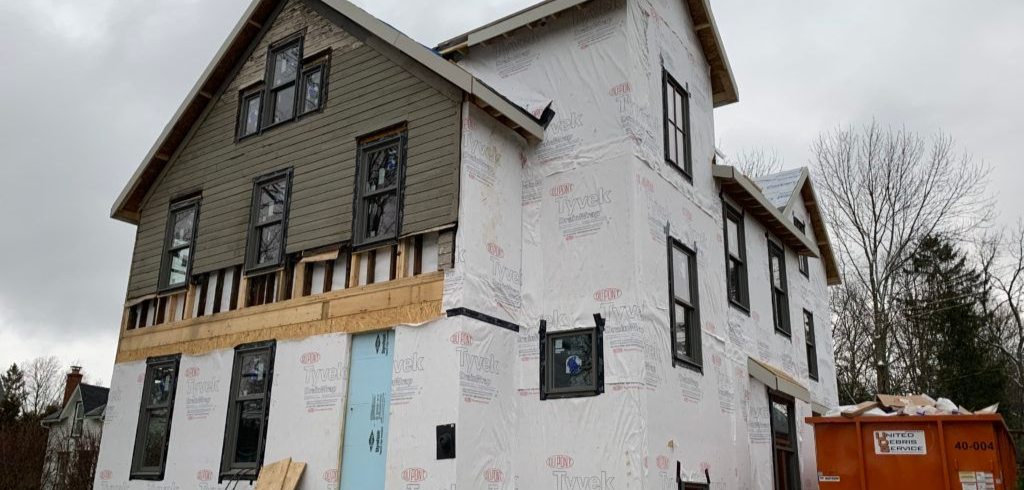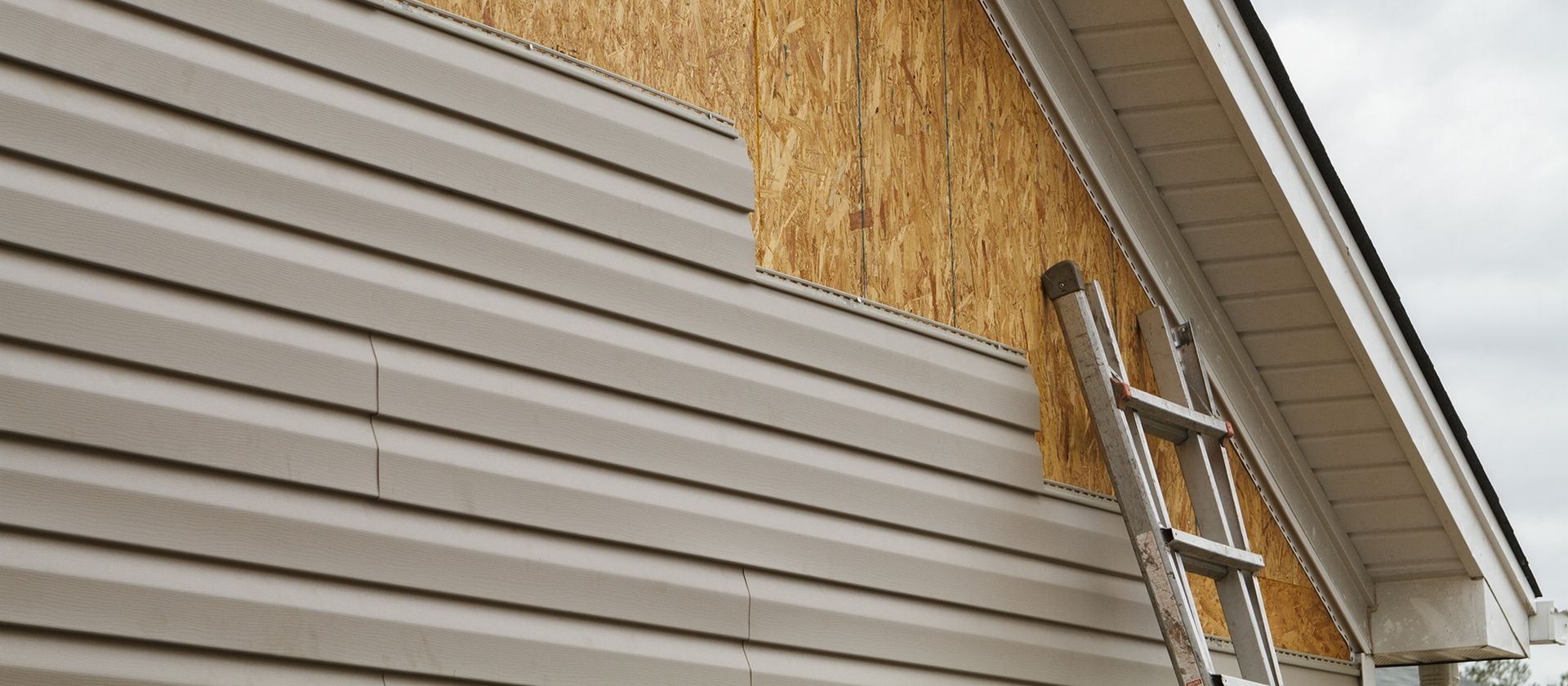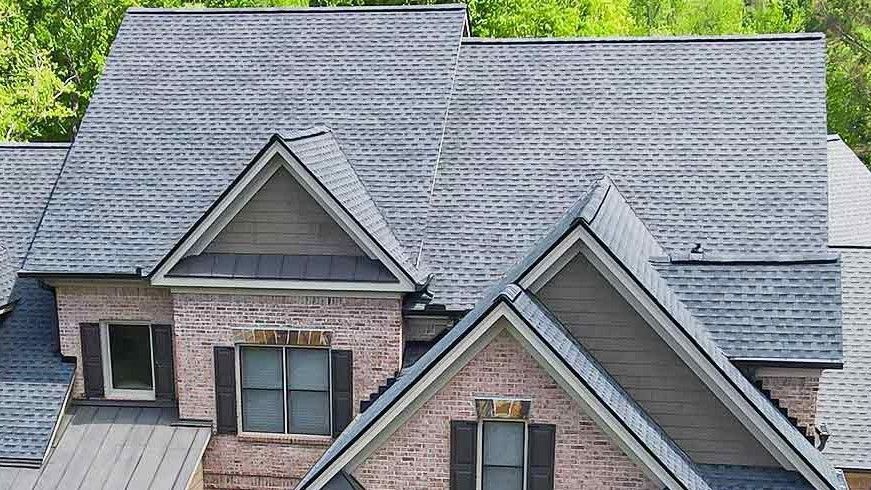
Ohio homeowners know that storms can roll in fast and leave serious damage behind just as quickly. Whether it’s strong winds ripping shingles away or hailstones denting metal panels, your roof takes the brunt of severe weather. Knowing what to do immediately after a storm can prevent further damage, speed up repairs, and help you navigate the insurance process more confidently.
In this guide, we’ll walk you through the steps to take after storm damage, what repairs may be needed, and when to call a professional roofing contractor.
1. Assess Your Home’s Exterior—Safely
Once the storm has passed and it’s safe to go outside, start with a ground-level inspection. Never climb onto the roof yourself, as storm-damaged structures may be unstable.
Look for:
- Missing shingles or shingles on the ground
- Hail dents or divots on shingles, metal roofing, or gutters
- Cracked, curled, or lifted shingles
- Tree limbs or debris on the roof
- Damage to siding, windows, or gutters
- Water stains or damp spots on exterior walls
Take photos of anything that looks unusual or out of place. Documentation will be helpful for both roofing contractors and insurance adjusters.
2. Check Inside for Signs of Water Damage
Storm damage isn’t always visible from outside. Head to your attic or upper floors and check for:
- Damp insulation
- Water stains on ceilings
- Dripping water
- Musty odors
- Light shining through roof boards
Even small leaks can lead to mold, rot, and structural damage—so early detection is key.
3. Schedule a Professional Roof Inspection
After high winds or hail, always schedule a professional inspection—even if you don’t notice obvious damage. In Ohio, hail can bruise shingles below the surface, weakening them over time.
A reputable roofing company like Hometown Roofing & Construction will:
- Identify hidden storm damage
- Provide a detailed inspection report
- Recommend next steps
- Offer temporary tarping if needed
- Help you understand your repair or replacement options
Avoid contractors who show up unannounced after storms. Choose a trusted local company with a strong reputation.
4. Make Temporary Repairs If Needed
If your roof has active leaks, temporary measures—like tarping—may be required to prevent further damage. Professional contractors can install emergency coverings safely and correctly.
Do not attempt to tarp the roof yourself, especially after a storm. Wet shingles and structural damage can create dangerous conditions.
5. File Your Insurance Claim Promptly
Most homeowners insurance policies cover storm-related roof damage. To stay on track:
- Contact your insurance company as soon as possible
- Provide photos and any documentation from your inspection
- Follow their claim timeline
- Ask how to handle mitigation costs
Hometown Roofing & Construction frequently assists homeowners with the insurance process, ensuring all storm-related issues are properly documented.
6. Choose the Right Repair or Replacement Option
Depending on the severity of the storm, repairs may include:
Roof Repairs
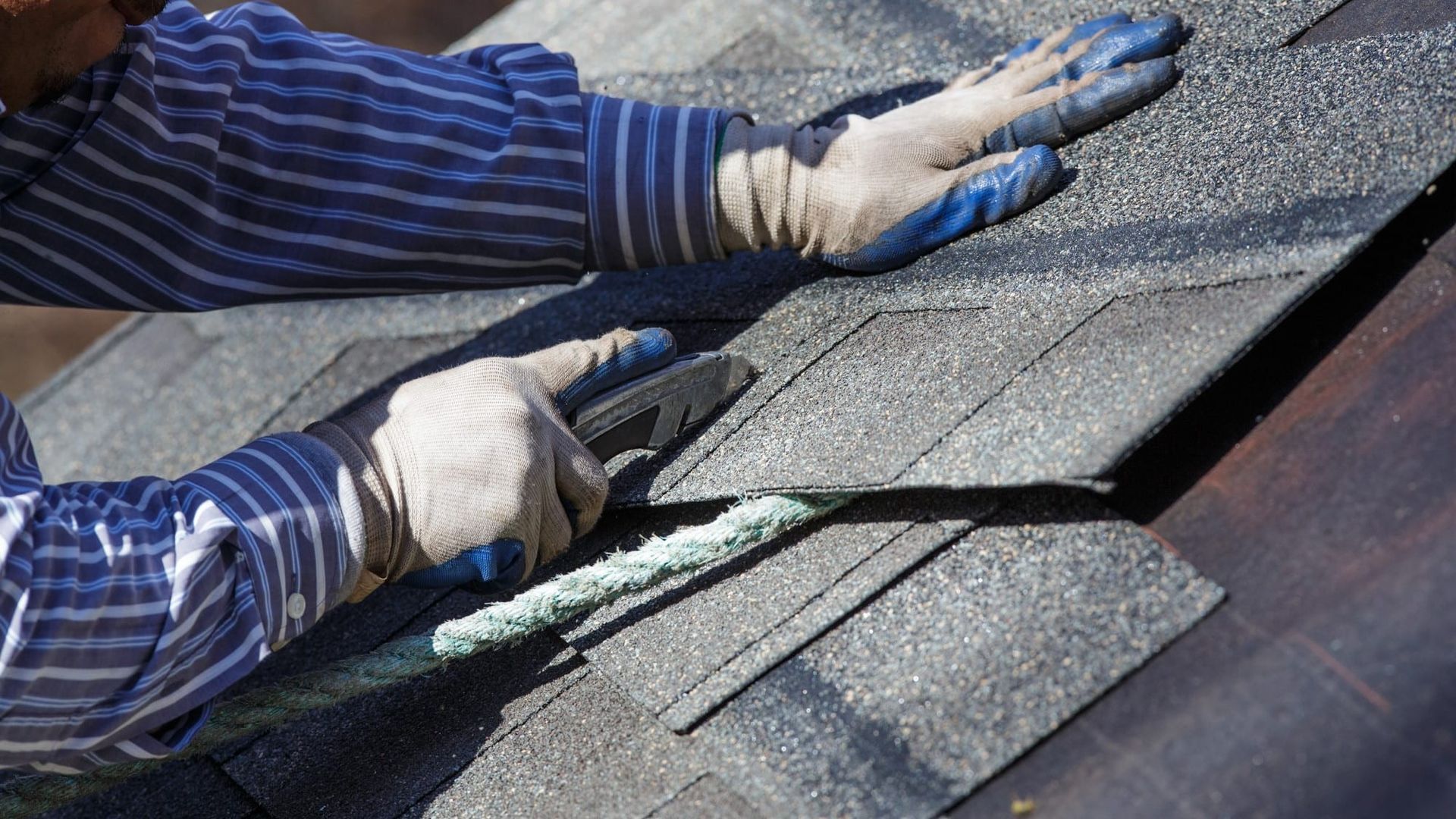
- Replacing torn or missing shingles
- Repairing nail pops or lifted shingles
- Re-sealing flashing
- Fixing gutter or downspout damage
Full Roof Replacement
This may be necessary if:
- Over 25–30% of shingles are damaged
- Hail impact has compromised shingle integrity
- Your roof is nearing the end of its lifespan
- There are multiple active leaks
In many cases, insurance will cover full replacements when storm damage is widespread.
7. Prevent Future Storm Damage
Ohio weather can be unpredictable, but you can strengthen your roof with:
- Impact-resistant shingles (available through Owens Corning)
- Proper attic ventilation
- Regular professional roof inspections
- Clean gutters and downspouts
- Trimming back overhanging tree branches
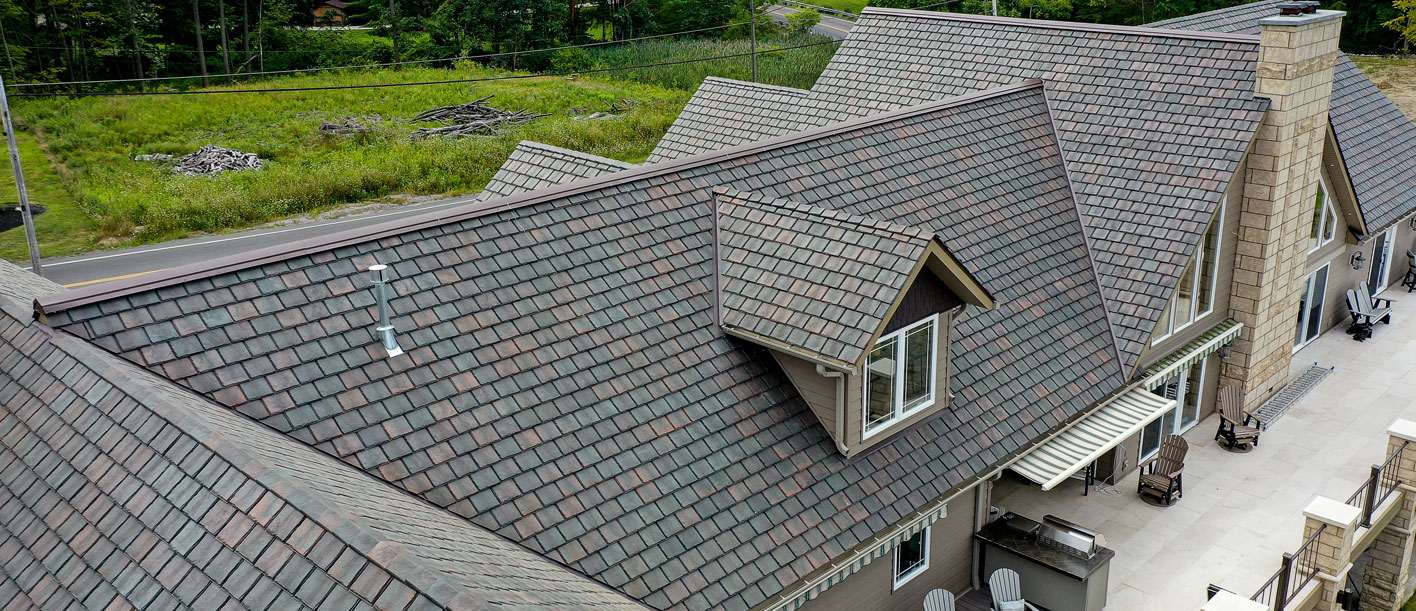
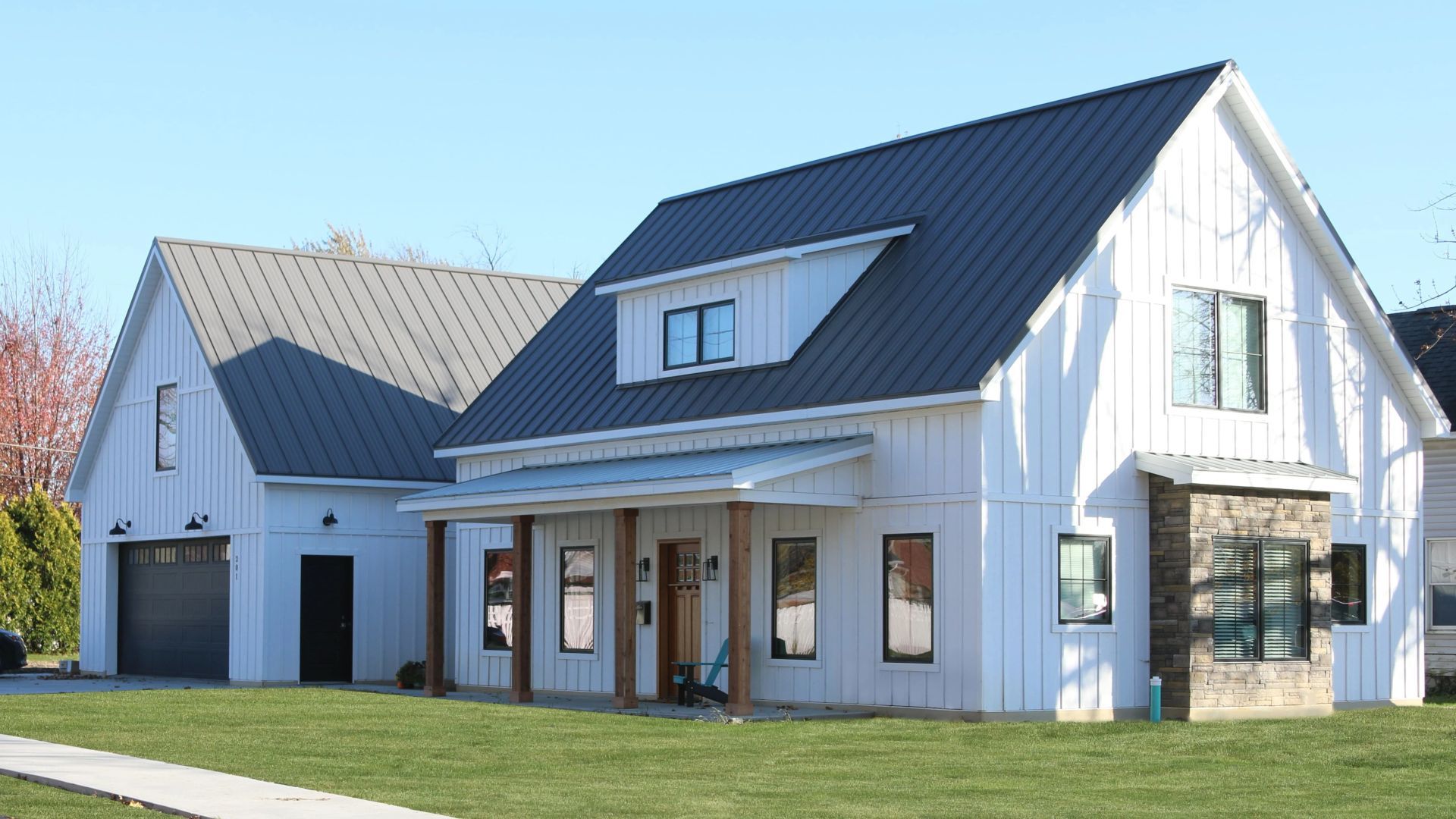
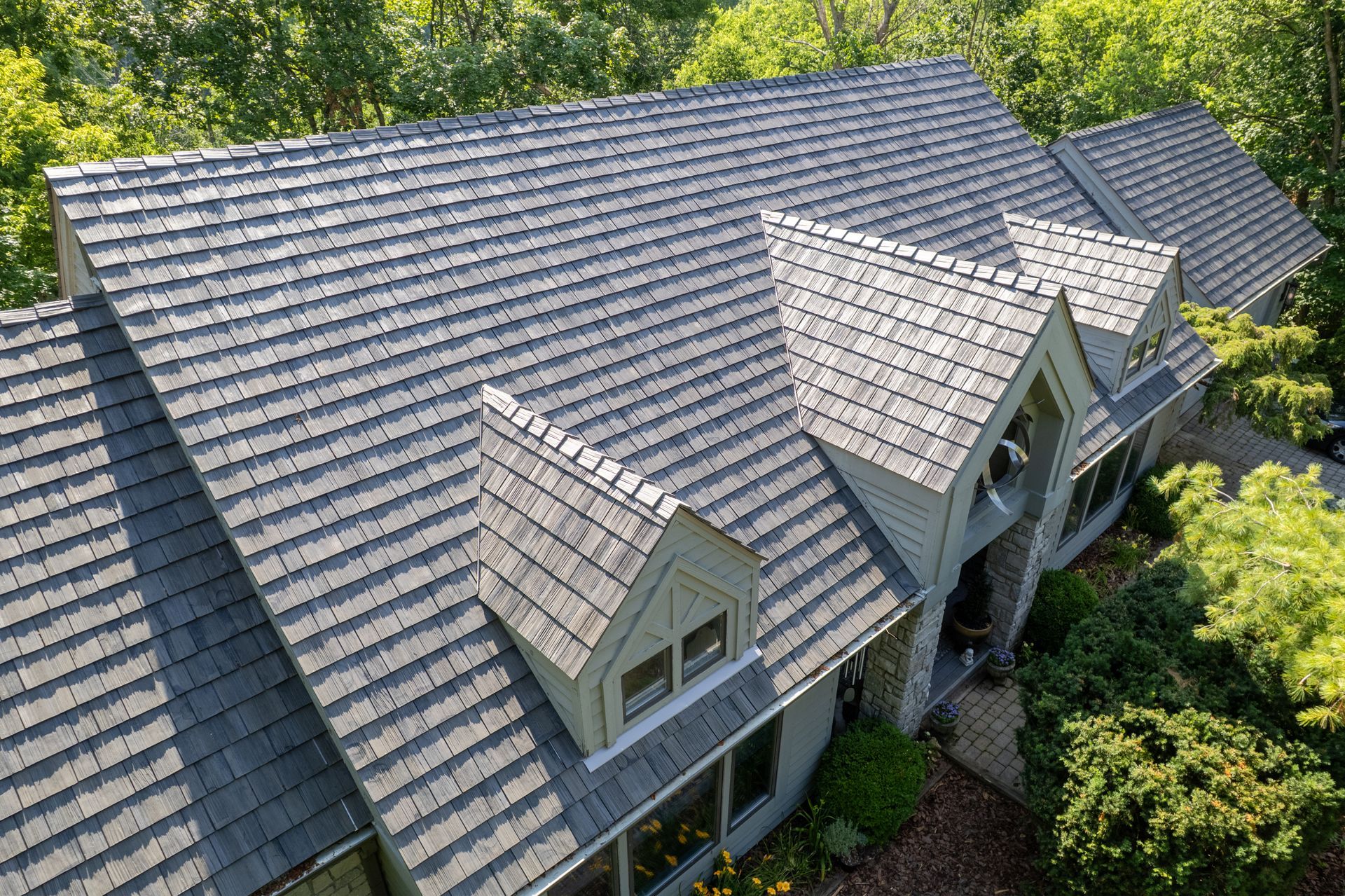
Hometown Roofing & Construction can recommend durable materials—including metal roofing and synthetic Brava roof tiles—that hold up exceptionally well to high winds and hail.
FAQ: Storm Damage Roof Repairs in Ohio
1. Do I need to replace my roof and siding at the same time?
Not always. However, if both are aging or showing signs of damage, doing them together can reduce costs and create a stronger weather-tight system.
2. Will new roofing or siding help with energy savings?
Yes. Modern materials—such as Owens Corning shingles, metal roofing, and James Hardie siding—are designed to improve insulation and reduce heating/cooling loss.
3. How does Akron/Canton weather affect roofing and siding lifespan?
Freeze-thaw cycles, lake-effect snow, and high winds can be hard on exteriors. Quality materials and proper installation are essential for lasting performance.
4. Can damaged siding affect my roof?
Absolutely. Water that infiltrates siding can travel into roof edges, soffits, and fascia, causing more widespread structural issues.
5. What’s the best type of siding for Northeast Ohio homes?
James Hardie siding is highly recommended due to its durability, weather resistance, and ability to withstand Ohio’s climate without warping or rotting.
6. Is metal roofing compatible with James Hardie siding?
Yes. Metal roofing pairs beautifully with Hardie’s modern styles and creates an extremely resilient exterior system.
Storm damage doesn’t wait—and neither should your repairs. If high winds or hail have impacted your home, contact Hometown Roofing & Construction for a fast, professional inspection. Our local Ohio team will assess the damage, assist with insurance claims, and recommend the right repair or replacement to protect your home.
Call today or schedule your inspection online and get your roof back to top shape—quickly and reliably.