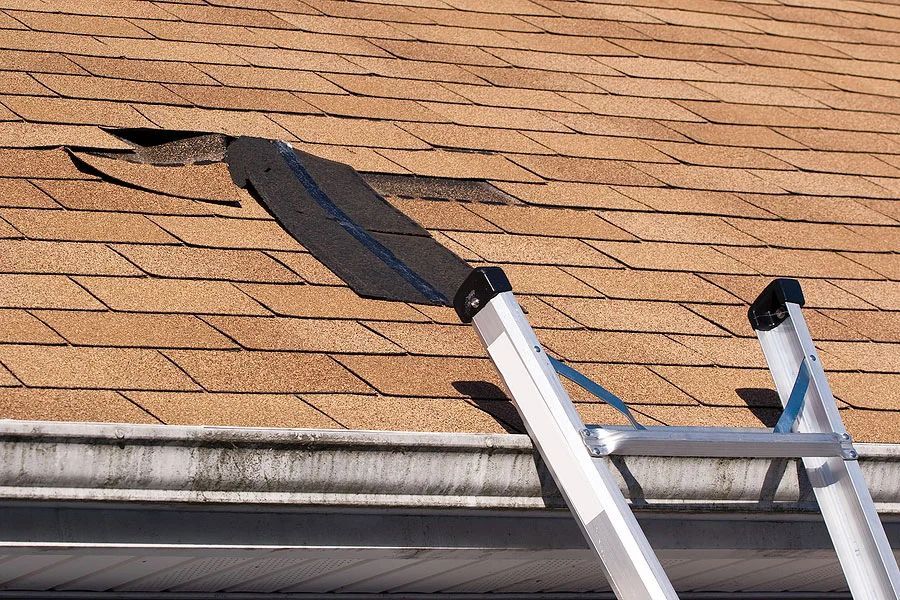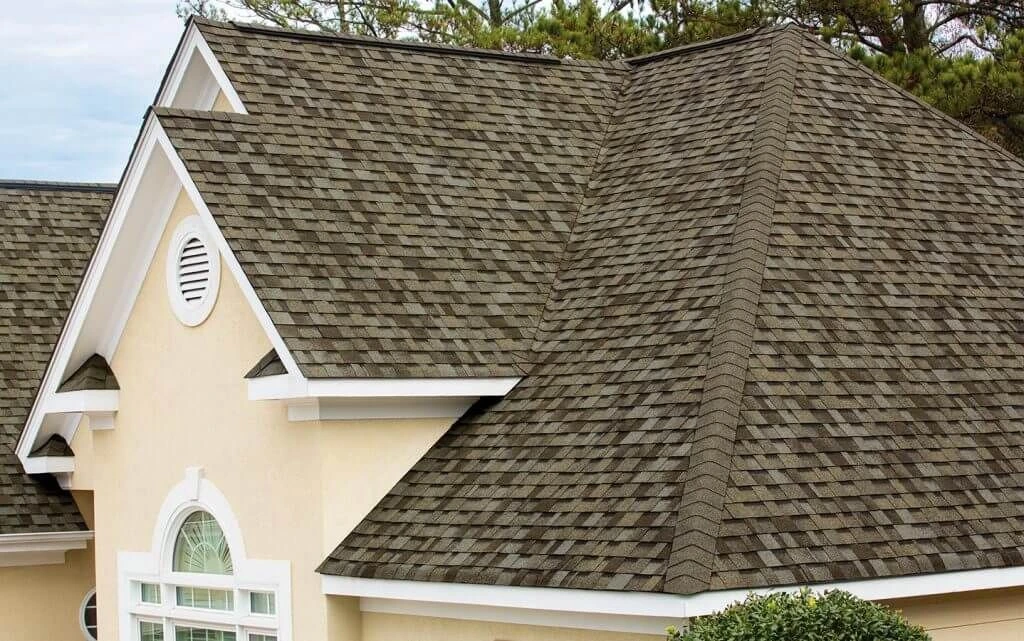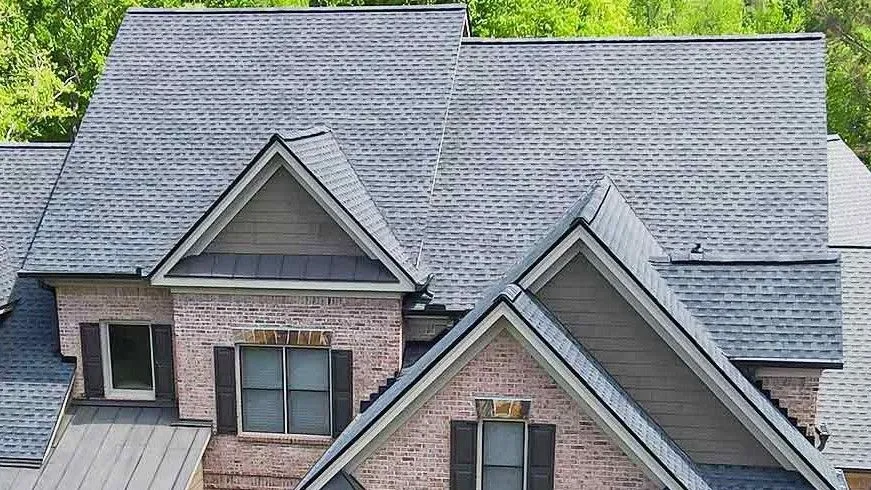

If you own a single-family home in Northeast Ohio, Hometown Roofing & Construction has likely seen what your roof has been through. Roofs in our area face serious weather every year. Heavy snow loads, hailstorms, and high winds put constant pressure on even a well-built roof. Architectural asphalt shingles are built to hold up under those conditions, but every roof has a lifespan. Knowing the signs showing that you need a new roof can save you from a much bigger, more expensive problem down the road. If your home is more than 10 years old and you have not had a professional look at your roof recently, this guide is for you.
How Long Does an Asphalt Shingle Roof Last in Ohio?
Most architectural asphalt shingle roofs installed in Ohio last between 20 and 30 years under normal conditions. The catch is that Ohio’s climate is hard on roofing materials. Freeze-thaw cycles in winter, heavy rain in spring, and summer heat all accelerate wear. Roofs on the lower end of that lifespan are especially vulnerable after a significant storm. If your roof is nearing or past the 15-year mark, paying attention to the warning signs below is worth your time, even if nothing looks obviously wrong from the street.
Sign 1: You Find Shingles in Your Yard After a Storm
What It Looks Like
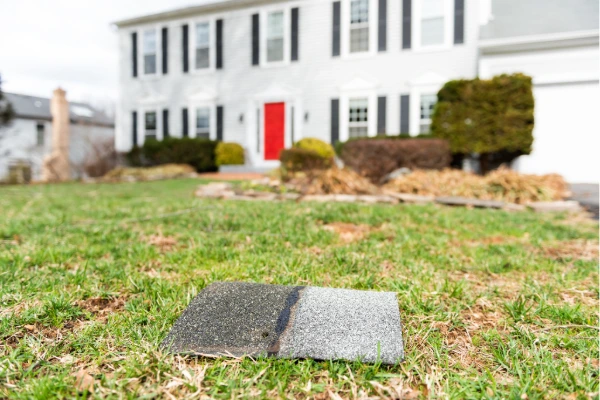
After a storm with strong winds or hail, walk your property line. Shingles or large pieces of shingle material in the yard, in the gutters, or along the foundation are a clear indicator that your roof has lost its grip. This is one of the most visible old roof warning signs for homeowners and one that is easy to dismiss as isolated damage.
Why It Matters
A single missing shingle can expose the decking beneath to water infiltration. Once water gets under the surface, it can work its way into the attic, the insulation, and eventually the ceiling of your home. One storm does not always cause immediate leaking, but the damage compounds quickly with each subsequent rain event.
Sign 2: You Notice Dark Stains or Wet Spots on Interior Ceilings
What It Looks Like
Brown or yellowish rings on interior ceilings, especially in upstairs rooms or near exterior walls, are a strong indicator of a compromised roof. You may also notice paint bubbling or a musty smell in the attic.
Why It Matters
Interior staining is often the result of a leak that has been building for months or longer. By the time water shows up on a ceiling, it has typically traveled a significant distance from its original entry point. Waiting to address this sign can lead to mold growth, damaged insulation, and structural deterioration of the roof deck itself. This is one of the roof warning signs that moves quickly from a roofing problem to a home health problem.
Sign 3: You See Granule Loss in Your Gutters
What It Looks Like
Granules coat asphalt shingles, protecting the underlying material from UV exposure and weather. As shingles age, those granules begin to shed. You may notice dark, sand-like material collecting in your gutters or at the base of your downspouts.
Why It Matters
Granule loss accelerates shingle deterioration. Once the protective coating is gone, the shingle itself becomes brittle and susceptible to cracking. If you are finding consistent granule buildup in your gutters, that is a reliable indicator that your shingles are nearing the end of their service life. In Ohio’s climate, where UV exposure in summer follows months of freeze-thaw stress in winter, granule loss tends to progress faster than homeowners expect.
Sign 4: You Can See Sagging or Uneven Areas on the Roof Surface
What It Looks Like
Stand in your driveway or front yard and look at the roofline. A healthy roof should have straight, even lines from the ridge, the peak running along the very top of your roof where two slopes meet, down to the eaves, the lower edges that overhang your exterior walls and feed into the gutters. If you notice sections that appear to bow inward, dip, or sag anywhere between those two points, that is a serious warning sign that goes beyond the surface.
Why It Matters
Sagging areas typically indicate a problem with the roof’s structural layer, not just the shingles. This can mean the decking has been compromised by long-term moisture exposure, or that the framing beneath has weakened. A sagging roof is not a repair situation. It is a replacement conversation, and waiting makes it worse. Homes in Ohio that have experienced ice dams in winter are particularly susceptible to this type of structural damage.
Sign 5: Your Roof Is Aging and Has Never Been Replaced
What It Looks Like
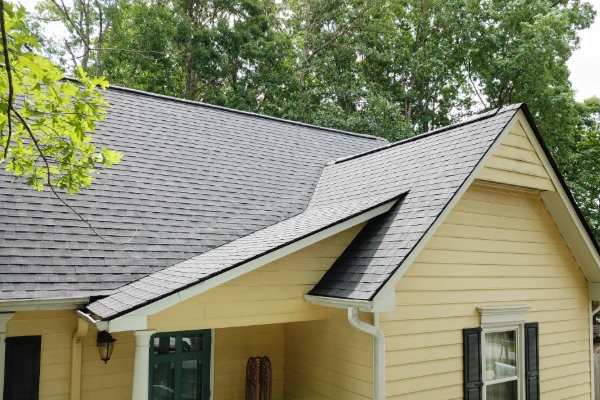
This sign does not require you to see anything specific. If you have lived in your home for more than 20 years and the roof was original to the house, or if you purchased a home and cannot confirm when the last replacement was done, age alone is a meaningful risk factor.
Why It Looks Like Normal Until It Is Not
Older roofs often look acceptable from a distance. The real deterioration happens at the material level, in the shingle tabs, the flashing around penetrations, and the seals near vents and chimneys. These are the areas a professional inspection focuses on and the areas most likely to fail during the next storm season. Knowing when to replace asphalt shingles in Ohio’s climate comes down to age and condition.
Roof Replacement vs. Repair: Which Is the Right Call?
This is the question most Ohio homeowners ask once they recognize a problem. Repairs make sense when damage is limited to a small, isolated area of an otherwise healthy roof. They are a reasonable short-term fix when a roof has several good years left, and the issue is clearly contained.
Roof replacement delivers better long-term value when the roof is aging, when damage is spread across multiple areas, or when repair after repair is adding up without solving the underlying problem. At Hometown Roofing & Construction, full roof replacement means the entire system is addressed, not just the visible trouble spots. There are no partial replacements or overlays, because patching over a deteriorating system only delays the inevitable while adding cost. A full replacement gives you a new, warranted roofing system built to handle what Ohio weather delivers.
What Is a Proof Roof and Is It Right for You?
When Hometown Roofing & Construction replaces your roof, you have the option to do it through the Proof Residential Roofing Service, a program that bundles your new roof installation with ongoing annual care and flexible financing into a single package. Instead of replacing your roof and hoping for the best, Proof keeps a professional set of eyes on it every year for the duration of your contract.
What PROOF Includes
Every Proof roof comes with a resilient architectural asphalt shingle installation built to handle Ohio’s severe weather. After installation, you receive an annual care plan that includes a material checkup covering shingles, flashing, ridges, and adhesion, as well as a structural checkup that examines roof planes, venting systems, and the condition of fascia and soffits. Gutters, surrounding trees, and heavy debris buildup are also assessed at each visit. In the event you ever need to file a homeowners’ insurance claim, that yearly documentation is very valuable because it gives your adjuster a clear record that your roof was regularly maintained.
Do You Qualify for a Proof Roof?
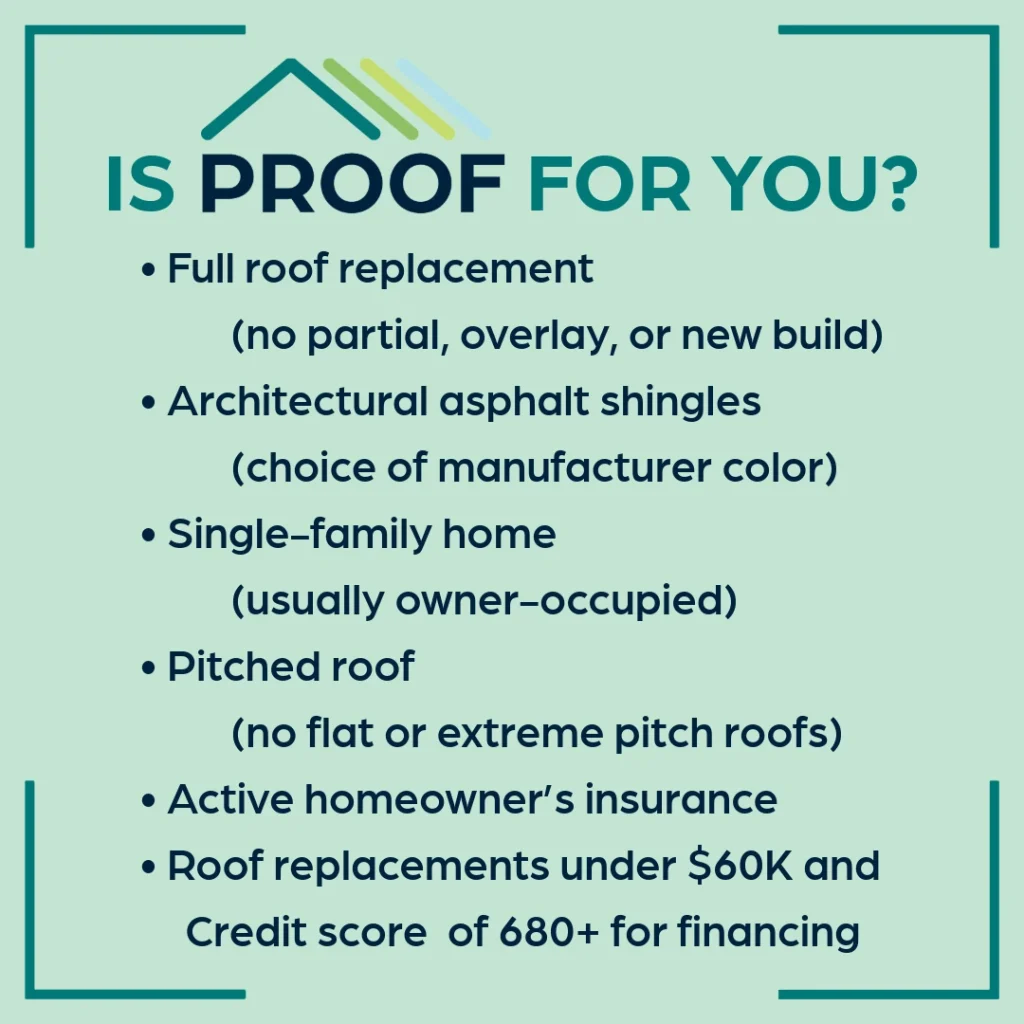
Proof is designed for owner-occupied, single-family homes with a pitched roof. The program requires a full roof replacement, so it is not available for partial replacements or overlay installations. Qualified homeowners need an active homeowner’s insurance policy. Financing is limited to $60,000 or less and requires a credit score of 680 or higher. If you meet these criteria and your home has any of the warning signs listed above, a Proof roof replacement from Hometown Roofing & Construction is worth a close look.
Can You Finance a Roof Replacement in Ohio?
The upfront cost of a new roof is a real concern for most homeowners, and it should not be a reason to delay a necessary replacement. Financing is available to qualified homeowners through Hometown Roofing & Construction, with flexible terms ranging from 5 to 10 years. Monthly payment plans spread the cost in a way that fits a household budget without sacrificing material quality or workmanship.
A new qualifying roof can also lead to savings on your homeowner’s insurance premium. Many carriers offer discounts of 5 to 20 percent on policies for homes with newer roofs. Over time, those savings offset a meaningful portion of the replacement investment.
Do Not Wait Until a Small Problem Becomes a Big One
Every one of the signs described above gets worse with time. A missing shingle becomes a water-damaged deck. A small stain becomes a mold remediation project. A granule-stripped shingle becomes a cracked one that lets in the next heavy rain. The cost of waiting almost always exceeds the cost of acting when the warning signs first appear.
Contact Hometown Roofing & Construction today to schedule a roof inspection or get an estimate. Our team serves homeowners across Northeast Ohio, including Akron, Canton, Cleveland, and surrounding communities. We will give you a clear picture of what your roof needs and help you find a path forward that fits your budget.